
Introduction: Why Marketing and Branding Are the Cornerstones of Business Identity
In today’s highly competitive marketplace, where consumers are constantly bombarded with messages, advertisements, and choices, a brand must do more than simply exist—it must resonate. To achieve this, businesses must understand and master two interwoven disciplines: marketing and branding. These are not mere business functions; they are strategic imperatives. Marketing brings a product or service to life in the eyes of the consumer, while branding gives it meaning, soul, and longevity. When executed harmoniously, they transform companies into compelling entities that inspire trust, foster loyalty, and command premium value.
Understanding the Difference: Marketing vs. Branding
Marketing and branding are often mistakenly used interchangeably. However, while they serve interconnected purposes, their roles and impacts are distinctly different.
What is Marketing?
Marketing refers to the collection of strategies, tactics, and tools a business uses to promote and sell its products or services. It is inherently tactical and often focuses on short-to-mid-term results. Marketing includes everything from market research and campaign execution to advertising, social media outreach, email marketing, and search engine optimization.
What is Branding?
Branding, on the other hand, is the process of defining who you are as a business. It’s about building a cohesive identity, voice, and emotional connection that extends beyond products and services. Branding is what people say about your business when you’re not in the room—it’s your reputation, your promise, and the story your company tells over time.
The Strategic Role of Marketing
Marketing operates as the vehicle through which a business communicates its offerings to the world. It is agile, data-driven, and responsive to market dynamics. A well-crafted marketing strategy allows a company to reach new audiences, reinforce its value proposition, and convert interest into action.
Key Components of Marketing Strategy:
-
Market Research: Understanding customer demographics, behaviors, preferences, and pain points
-
Segmentation and Targeting: Identifying and addressing specific market segments with tailored messages
-
Positioning: Differentiating a product or service from competitors in a way that resonates with target customers
-
Promotion and Campaigning: Using digital and traditional media to generate awareness and drive engagement
-
Analytics and Optimization: Measuring success through KPIs and refining strategies based on performance data
The Foundational Nature of Branding
Where marketing works to attract and convert, branding builds lasting emotional connections. It provides a narrative framework for how a business communicates its values, mission, and vision. A powerful brand is instantly recognizable and evokes a specific emotional response that guides customer decisions and fosters long-term loyalty.
Core Elements of Branding:
-
Brand Identity: The visual and linguistic elements that represent a brand, such as logo, color palette, typography, and taglines
-
Brand Voice and Personality: The consistent tone and character expressed in all communications
-
Brand Promise: The commitment a brand makes to its customers, setting expectations for experience and delivery
-
Brand Values: The ethical and cultural principles that underpin a company’s operations and public persona
-
Customer Experience: Every touchpoint a consumer has with a brand, from browsing a website to unboxing a product
How Branding Enhances Marketing
A strong brand magnifies the impact of marketing. Campaigns are more effective when they emerge from a clearly defined brand because they carry emotional weight and consistency. Instead of starting from scratch with each new campaign, a strong brand provides a foundation of familiarity and trust. It ensures that marketing efforts not only attract attention but also reinforce identity and deepen customer relationships.
The Interdependence of Marketing and Branding:
-
Marketing builds awareness; branding builds affinity
-
Marketing delivers messages; branding delivers meaning
-
Marketing drives sales; branding drives loyalty
Challenges in the Digital Age
The proliferation of digital channels has revolutionized the way brands market themselves. However, it has also increased the complexity of maintaining brand integrity and marketing effectiveness. Consumers are now more informed, more skeptical, and more empowered than ever before.
Modern Marketing and Branding Challenges Include:
-
Information Overload: Breaking through the noise in a saturated digital environment
-
Platform Fragmentation: Ensuring consistency across multiple media, platforms, and devices
-
Shortened Attention Spans: Capturing interest in a matter of seconds, especially on mobile and social platforms
-
Consumer Skepticism: Winning trust in an age of misinformation and aggressive selling
-
Rapidly Changing Trends: Staying relevant amid fast-moving cultural and technological shifts
Keys to Success in a Converged Strategy
To thrive in today’s business landscape, companies must take an integrated approach, aligning marketing and branding efforts seamlessly across all platforms and touchpoints.
Best Practices for Integration:
-
Start with a Clear Brand Strategy: Ensure that your marketing efforts are rooted in a well-articulated brand story and identity
-
Be Consistent Yet Adaptable: Maintain brand consistency while adapting your marketing message to different audiences and contexts
-
Engage Authentically: Build two-way relationships with your audience by listening, responding, and delivering real value
-
Leverage Content Marketing: Use high-quality content to educate, entertain, and engage your audience while reinforcing brand values
-
Monitor and Measure: Regularly evaluate brand perception and campaign performance, adjusting strategies as needed
Case in Point: Tesla’s Unified Strategy
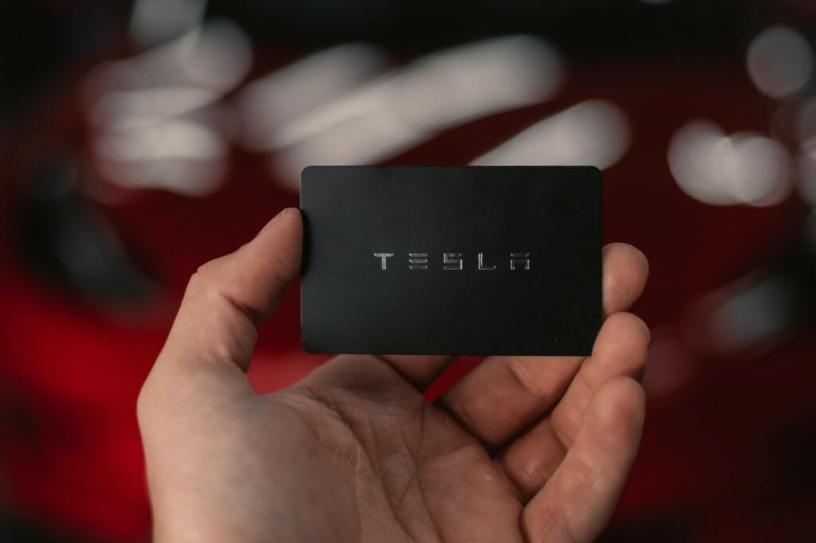
Tesla offers a compelling example of how marketing and branding can work in perfect synergy. The company spends very little on traditional advertising, relying instead on its powerful brand identity—innovation, sustainability, and disruption—to drive marketing through word-of-mouth, social media buzz, and media coverage. Every Tesla vehicle sold is not just a product—it’s a statement. This is the power of branding backed by smart, organic marketing.
Conclusion: Building Businesses that Inspire and Endure
Marketing and branding are no longer optional functions—they are the lifeblood of any successful enterprise. Marketing may generate interest, but branding sustains it. Marketing delivers immediate results, but branding builds long-term value. When both are carefully crafted and strategically aligned, they create a business that does more than sell—it inspires, connects, and endures. In a world where consumers are inundated with choices, the businesses that rise to the top will be those that know not just how to market, but how to matter.
 Leadz Business